

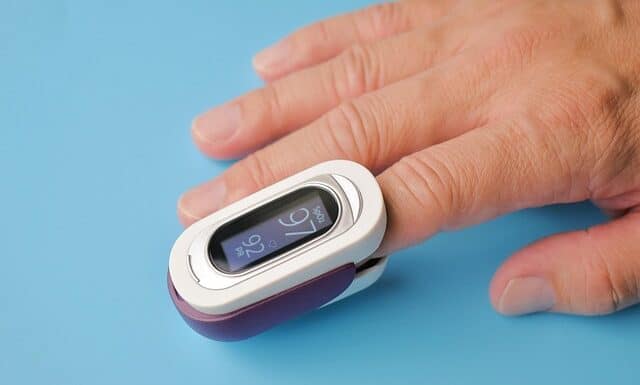
In today’s fast-paced world, ensuring safety and independence requires more than just traditional approaches. For many, especially seniors or those with health concerns, the ability to swiftly summon help can be a matter of life and death. Emergency call devices have become vital tools that provide peace of mind for users and their loved ones, allowing individuals to maintain their sense of autonomy while staying protected.
These devices are more than just buttons; they are lifelines that connect individuals directly to emergency responders or trusted contacts at the push of a button. As technology advances, so do the capabilities of emergency call systems, offering greater reliability and ease of use. Whether installed in homes, apartments, or community settings, emergency call devices help reduce response times and ensure help arrives when it’s needed most.
Understanding How Emergency Call Devices Offer Peace Daily
Why Emergency Call Devices Are Essential for Safety
Key Benefits of Emergency Call Devices
- Rapid Response: Immediate connection to emergency services or family members ensures help reaches the individual quickly.
- Independence Support: Users can live alone with confidence, knowing help is just a button press away.
- Cost-effective Safety: Prevent emergencies from escalating into more serious health or safety issues, reducing overall costs.
- Customizable Features: Devices can be tailored with features such as GPS tracking, fall detection, or two-way voice communication.
Types of Emergency Call Devices and How They Function
Pendant and Wristband Devices
One of the most common forms, these wearable devices allow users to discreetly carry a call button everywhere they go. When pressed, they connect directly to a monitoring center or designated contacts, depending on the setup. Many come with waterproof designs, enabling users to wear them in the shower or bath without worry.
Home-Based Emergency Call Systems
Typically installed within a residence, these systems include wall-mounted buttons, base stations, and sometimes motion sensors. When activated, they alert a monitoring service or send a notification to a mobile device. These setups are ideal for people who spend most of their time at home and require reliable coverage indoors.
The Integration of Technology in Emergency Call Devices
Smart Features That Make a Difference
- GPS Tracking: Enables responders to locate users precisely, especially when outside the home.
- Fall Detection: Automatically triggers an alert when a fall is detected, even if the user cannot press the button.
- Two-Way Communication: Allows direct voice interaction with emergency responders or contacts without needing to dial manually.
- Mobile Connectivity: Devices that connect through cellular networks provide coverage in areas without Wi-Fi or landline access.
How to Choose the Right Emergency Call Device for Your Needs
Assessing User Requirements
Begin by evaluating the individual’s lifestyle, health condition, and environment. For active seniors who spend time outdoors, a GPS-enabled wristband may be ideal. For those primarily at home, a wall-mounted system with fall detection could offer better coverage.
Consideration of Device Features and Compatibility
Look for devices with user-friendly interfaces, long battery life, and compatibility with existing smart home systems. Testing device responsiveness and ease of activation before purchase ensures it meets the user’s comfort level.
Practical Tips for Maximizing Emergency Call Device Effectiveness
- Regular Testing: Perform routine checks to confirm the device functions correctly and contacts are up-to-date.
- Proper Placement: Install wall-mounted devices in accessible locations, and wear wearable devices consistently.
- Education and Training: Ensure the user understands how and when to activate the device. Practice scenarios can help build confidence.
- Stay Informed about Updates: Keep the device’s software current to benefit from latest features and security enhancements.
Legal and Privacy Considerations
While emergency call devices provide peace of mind, it is important to understand data privacy policies and the extent of monitoring. Reassure users that devices are designed to protect their personal information while delivering rapid responses during emergencies. Choosing reputable providers and reading privacy policies carefully can help ensure compliance with legal standards and personal comfort.
Future Trends in Emergency Call Devices
The evolution of emergency call technology points toward greater integration with health monitoring systems, AI-driven alert algorithms, and expanded connectivity options. Innovations such as wearable sensors connected to smartphones or smart home hubs promise to deliver even faster and more accurate responses. For those interested in staying at the forefront of safety solutions, explore advanced possibilities that could further enhance safety and convenience.
Conclusion: Making Safety a Constant Companion
Emergency call devices offer more than just a safety net— they provide peace daily by enabling individuals to maintain independence while feeling protected. Their ability to quickly connect users with help during unforeseen incidents is invaluable, especially for vulnerable populations. Choosing the right device involves understanding personal needs, evaluating available features, and ensuring proper usage through regular testing and training.
As technology continues to advance, these devices will become even smarter and more intuitive, seamlessly fitting into everyday life. By investing in a dependable emergency call system, you or your loved ones can enjoy greater confidence and reassurance that help is always within reach. Don’t wait for an emergency to realize the importance of preparedness—take proactive steps today to prioritize safety and independence for tomorrow.
