

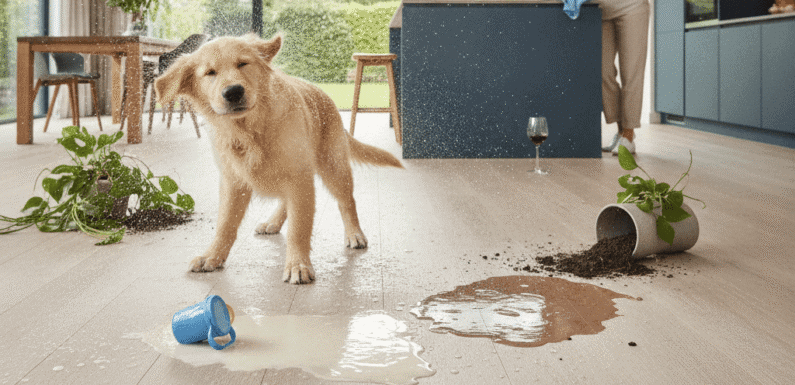
As homeowners, we all share a common wish to keep our living spaces looking pristine. Life happens though, and sometimes that means accidental spills, pet messes, or even plumbing leaks. These everyday occurrences can quickly damage traditional flooring materials, leading to costly repairs and a lot of frustration. I understand this challenge well because I have seen it in many homes. This is where the concept of a truly spill proof home becomes essential.
I have spent time looking at how modern solutions can tackle these issues head on. My focus today is on smart waterproof flooring options. These are designed not just to resist water but to truly repel it, keeping your subfloor safe and your home looking its best. Imagine a floor that simply laughs at a spilled glass of juice or a pet accident. This is the reality that new flooring technologies offer us today.
I want to explore how you can transform your home into a worry-free zone. By choosing the right materials and understanding their benefits, you can protect your investment and enjoy a cleaner, more resilient living environment. Let’s delve into how you can Spill Proof Your Home with Smart Waterproof Flooring and say goodbye to water damage worries for good.
Understanding the Waterproof Flooring Advantage
When I talk about waterproof flooring, I am talking about materials engineered to completely block water penetration. This goes beyond water resistant options that can handle splashes but may eventually succumb to prolonged exposure. True waterproof flooring offers a complete barrier. It means liquids will not seep through to the subfloor or cause damage to the flooring material itself.
This is a significant advantage for modern homes. Think about all the common areas where water is a constant presence. Bathrooms, kitchens, laundry rooms, and basements are prime candidates for this type of protection. Even in living rooms or bedrooms, the unexpected can happen. A child’s drink, a pet’s mishap, or even an overflowing plant pot can leave a mark on regular floors.
With smart waterproof flooring, I find that these accidents become minor inconveniences instead of major problems. You simply wipe them up. There is no lingering moisture, no warping, and no staining. This peace of mind is invaluable, especially for busy families or those with pets. It really changes how you live in your home and how you maintain it.
Beyond Surface Resistance
Many people confuse water resistant flooring with waterproof. Water resistant floors have a top layer that repels water for a time. However, if water sits too long or finds its way into the seams, it can still cause damage. Waterproof flooring is different. Its core material and construction are impervious to water. This means water cannot penetrate the planks or tiles at all. I see this as the main differentiator and why it offers superior protection.
The construction often involves layers like a waterproof core and a protective wear layer. These layers work together to create a formidable shield against moisture. I have personally seen how this construction holds up to significant water exposure, far surpassing what traditional laminate or engineered hardwood can endure. It means your floor remains stable and attractive, even in the most challenging environments.
Types of Smart Waterproof Flooring Options
I have observed that the market offers several excellent waterproof flooring options today. Each type brings its own set of advantages in terms of aesthetics, durability, and installation. Understanding these differences helps homeowners make the best decision for their specific needs and style preferences. I always recommend considering both function and form when choosing.
One popular choice is Luxury Vinyl Plank or Tile, often called LVT or LVP. These products are incredibly versatile and can mimic the look of real wood or stone with impressive realism. The core is typically made from PVC, which is naturally waterproof. They come in planks for wood looks or tiles for stone looks, providing a wide range of design possibilities.
Another strong contender is Wood Plastic Composite, known as WPC, or Stone Plastic Composite, known as SPC. These are often seen as enhanced versions of LVT or LVP. WPC flooring has a wood plastic composite core that is waterproof and provides a softer feel underfoot. SPC flooring features a stone plastic composite core, making it extremely dense and rigid, offering superior dent resistance. Both are excellent choices for Spill Proof Your Home with Smart Waterproof Flooring.
Waterproof Laminate and Tile
Modern laminate flooring has also evolved to include truly waterproof options. Traditional laminate was notorious for swelling if exposed to water. But new waterproof laminates feature special cores and locking systems that seal out moisture. I find these offer the aesthetic appeal of traditional laminate with enhanced water protection.
For areas like bathrooms and laundry rooms, ceramic or porcelain tiles have always been a reliable waterproof option. The tiles themselves are impervious to water. The key to their waterproof quality lies in the grout and proper installation with waterproof membranes underneath. I often remind people that while the tile is waterproof, the grout lines need sealing and the installation needs to be done correctly to prevent any issues.
Key Features to Look for in Spill Proof Flooring
When you are looking to Spill Proof Your Home with Smart Waterproof Flooring, I believe it is important to know what features truly matter. Not all waterproof flooring is created equal, and understanding the specifics will help you choose wisely. I look for a few key elements that ensure lasting performance and value.
First, consider the wear layer thickness. This is the transparent top coating that protects the flooring from scratches, dents, and daily wear. A thicker wear layer, measured in mils, indicates greater durability. For high-traffic areas or homes with pets, I always suggest opting for a wear layer of at least 12 mils, and ideally higher.
Second, examine the core material. As I mentioned, WPC and SPC cores offer different benefits. WPC provides more comfort and sound absorption. SPC delivers unmatched rigidity and impact resistance. Your lifestyle will guide this choice. If you have active kids or heavy furniture, SPC might be a better fit. If comfort is a priority, WPC could be the answer.
Integrated Underlayment Benefits
Many smart waterproof flooring products now come with an integrated underlayment. I find this feature incredibly convenient and beneficial. An attached underlayment saves time during installation because you do not need to purchase or lay a separate pad. It also adds a layer of comfort and helps with sound dampening. This can make a significant difference in the acoustics of a room.
I also pay close attention to the locking mechanism of the planks or tiles. A robust click-lock system creates tight seams that help prevent water from seeping between boards. This is especially important for areas where spills are frequent. A good locking system contributes significantly to the overall integrity of the waterproof barrier. The more secure the connection, the better the floor will perform over time.
Installation Tips for Long-Lasting Waterproof Floors
Even the best waterproof flooring needs proper installation to perform at its peak. I have learned that neglecting installation guidelines can compromise the floor’s waterproof properties and lead to future problems. Taking the time to do it right or hiring a skilled professional is always a smart investment. You want your floor to last for many years.
First, always ensure your subfloor is clean, dry, and level. Any imperfections in the subfloor can transfer to the new flooring over time, creating an uneven look or even damaging the planks. I recommend sweeping, vacuuming, and addressing any dips or humps before you start laying any flooring. This foundational step is critical for a smooth and durable finish.
Next, acclimation is key, especially for LVT and LVP products. This means letting the flooring sit in the room where it will be installed for at least 48 hours. This allows the material to adjust to the room’s temperature and humidity. Skipping this step can cause expansion or contraction after installation, leading to gapping or buckling. I have seen this happen too often.
Cutting and Sealing for Optimal Protection
When cutting waterproof planks or tiles, I stress the importance of precision. Clean, straight cuts ensure tight seams and a professional appearance. Using the right tools for the specific flooring material will make this process much easier and more accurate. For vinyl products, a utility knife is often sufficient. For harder SPC cores, a saw may be necessary. I always make sure my tools are sharp.
Finally, paying attention to perimeter sealing is vital for a truly spill proof installation. I apply silicone sealant around the edges of the room, especially where the flooring meets walls, cabinets, or bathtubs. This prevents any moisture from migrating underneath the planks at the perimeter. This extra step helps secure the floor’s waterproof integrity in all waterproof flooring locations and ensures maximum protection against water damage.
Maintenance and Care for Your Waterproof Investment
Maintaining smart waterproof flooring is generally straightforward. I appreciate how these floors simplify cleaning routines, allowing for more time enjoying your home and less time worrying about upkeep. While they are built to withstand spills, a few simple practices will keep them looking new and extending their lifespan. Consistent care is always a good idea.
Regular cleaning involves sweeping or vacuuming to remove dirt and debris. I recommend using a soft-bristle broom or a vacuum with a hard floor attachment to avoid scratching the surface. Dust and grit can act like sandpaper over time, dulling the finish. So I make sure to remove it regularly. This simple habit preserves the floor’s luster.
For deeper cleaning, I use a damp mop with a mild, pH-neutral cleaner. Avoid harsh chemicals, abrasive cleaners, or steam mops. These can strip the finish or damage the wear layer. A gentle cleaning solution specifically designed for waterproof flooring is usually the best choice. I always wring out my mop thoroughly to prevent excessive water from sitting on the floor. While waterproof, I still aim for minimal standing water.
Protecting Against Scratches and Dents
Even though smart waterproof floors are durable, they are not entirely immune to damage. I always suggest taking preventative measures to protect your investment. Placing felt pads under furniture legs helps prevent scratches when moving chairs or tables. Heavy furniture should be lifted, not dragged, across the floor. This protects both the floor and the furniture.
I also advise using doormats at all entry points to trap dirt, moisture, and debris before it gets tracked onto your floors. For areas with rolling chairs, like home offices, a protective mat is a good idea. These small steps make a big difference in maintaining the beauty and integrity of your waterproof flooring over many years. It is about smart protection and easy living.
Real-World Benefits of a Spill Proof Home
Embracing smart waterproof flooring offers benefits that extend far beyond simply dealing with spills. I have seen firsthand how this type of flooring improves daily life and increases a home’s overall value and comfort. It is about creating a living space that truly supports your lifestyle, rather than adding stress to it. This makes a home more enjoyable.
One major benefit is improved hygiene. Waterproof surfaces are less likely to harbor mold, mildew, or bacteria, because moisture cannot penetrate them. This creates a healthier indoor environment, especially important for families with allergies or respiratory sensitivities. I find this aspect particularly valuable for maintaining a clean and fresh home atmosphere. A dry floor means fewer opportunities for unwanted growth.
Another significant advantage is enhanced durability and longevity. Because these floors resist water damage, they tend to last much longer than traditional options. This means less frequent replacement and fewer maintenance headaches over the years. I consider this a smart long-term investment that pays off both financially and in terms of convenience. You get to enjoy your beautiful floors for longer.
Increased Home Value and Peace of Mind
When you choose to Spill Proof Your Home with Smart Waterproof Flooring, you are also potentially increasing its market value. Buyers appreciate features that offer practicality and low maintenance. A home with modern, durable, and waterproof floors can be a major selling point. It shows that the home has been thoughtfully updated and cared for, which I believe is always attractive to prospective buyers.
Ultimately, the greatest benefit is the peace of mind it provides. I know the feeling of a sudden panic when a drink tips over or a pet has an accident. With waterproof flooring, that panic turns into a simple shrug and a quick wipe. This reduction in stress is a huge part of creating a truly comfortable and welcoming home environment. It allows you to relax and enjoy your space without constant worry.
Making the Smart Choice for Your Home
Choosing the right flooring is a major decision for any homeowner. I believe that investing in smart waterproof flooring is a forward-thinking choice that brings significant advantages. It protects your home from the inevitable messes of daily life and offers peace of mind that traditional flooring simply cannot match. I have personally witnessed the transformation these floors bring to a living space.
From the bustling activity of a kitchen to the quiet sanctuary of a bathroom, waterproof flooring ensures that your subfloor remains protected and your aesthetics remain uncompromised. It is a durable, hygienic, and attractive option that caters to the demands of modern living. I am confident that once you experience the benefits, you will wonder how you ever managed without it. Make the smart move today to protect your home and enhance your lifestyle for years to come.
