

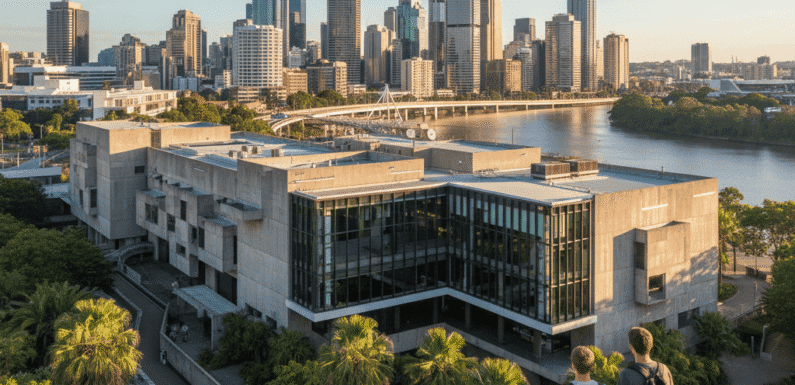
Whether you are a curious traveler a student of architecture or a local who wants fresh perspective this guide offers practical tips examples and insights. You will find short histories technical notes on how climate influences form plus advice for getting the most from a site visit.
Why Queensland Architecture Deserves Attention
The buildings across Queensland reveal practical responses to tropical and subtropical conditions and the waves of immigration and industry that shaped each region. Many structures combine local materials with imported ideas to handle sun wind rain and the occasional cyclone. Looking at a street of elevated timber houses or a concrete civic centre gives clues about daily life in different eras.
Studying these works helps visitors understand regional identity and the ways communities have planned for comfort safety and civic pride. For example features such as wide verandas high ceilings and generous eaves are not only aesthetic choices. They are design strategies developed to cool interiors without mechanical systems and to protect walls and foundations from moisture.
Key Architectural Styles Found Across Queensland
Queensland architecture includes domestic forms public buildings and industrial sites each with its own vocabulary. Here are several styles and types you will repeatedly notice when walking through towns and suburbs.
- Queenslander houses These are high set timber homes with wide verandas stair access from the street and a focus on cross ventilation.
- Victorian and Federation period buildings Look for decorative timber work masonry details and formal rooflines in older commercial strips.
- Interwar and Art Deco Many regional centres display streamlined facades geometric motifs and classic signwriting from the 1920s and 1930s.
- Late 20th century public architecture Several civic precincts show an interest in large concrete volumes and theatrical spaces created to host galleries theatres and libraries.
Queenslander house features to note
Observe how stilted floors create a shaded understorey that lifts living areas above heat and dampness. Look for joinery that allows breezes to pass through paired doors and high windows. Original materials are often timber and corrugated iron which together offer a strong visual identity.
Public buildings and civic design
Civic complexes tend to reflect ambitions of the era when they were built. Large auditoriums cultural centres and municipal halls often incorporate plazas and forecourts that encourage gatherings. These elements help a building read as part of the public life of a city rather than as an isolated object.
Top Sites to See in Brisbane and Beyond
If you have a day in Brisbane and time for side trips here are targets that provide a compact tour of important forms and materials.
- Historic council buildings and halls These show civic aspirations and local craftsmanship in masonry and timber.
- Industrial river crossings and bridges Examples of structural engineering that became civic icons and connect neighbourhoods.
- South Bank cultural precinct A mix of performance venues galleries and public space that illustrate late 20th century planning for arts and leisure.
- Regional town centres Rockhampton Townsville and Gympie each hold concentrated streets with interwar shopfronts and decorative facades.
When planning a route add neighbourhood walks where streets retain original building patterns. Small detours often reward with surprising side streets and courtyards.
How Climate Shapes Queensland Architecture
The climate in Queensland drives many of the most recognizable architectural responses. Understanding those responses helps you read buildings like a map of solutions for heat light wind and rain.
Passive cooling strategies explained
Designers used high ceilings windows placed for cross ventilation and external shading to reduce indoor temperature. Room placement often separates day areas from sleeping rooms and aligns openings to prevailing breezes. Shaded verandas act as living extensions that moderate solar gain on walls and windows.
Materials and construction choices
Timber is common in domestic work because it was readily available and quick to repair after storms. Metal roofing endures long and sheds heavy rains. Concrete and masonry appear in larger public projects where thermal mass and permanence were priorities. Each material choice balances availability cost and performance in the local climate.
Preservation and Reuse of Heritage Buildings
Many communities in Queensland protect important places through heritage listings and local policies that regulate change. Preservation often means keeping defining features intact while allowing new uses that keep a place active. Successful reuse projects turn old warehouses into community hubs and former shops into gallery spaces.
Challenges include updating buildings to current safety standards and meeting energy needs while retaining character. Practical approaches include reversible interventions where new elements can be removed without harming the original structure and using traditional materials for repairs where possible. Community involvement and clear maintenance plans are crucial for long term survival.
Practical Tips for Travelers and Architecture Enthusiasts
Here are field tips to make visits more enjoyable and productive.
- Time visits for morning or late afternoon light to see three dimensional qualities clearly and to avoid harsh midday sun.
- Join a local walking tour for context and stories that you will not find in guidebooks.
- Wear comfortable shoes and carry water when exploring suburban streets and coastal paths.
- Use a small notebook or phone app to record features such as materials proportions and decorative details. Notes help later when comparing different examples.
- Respect private property and keep to public paths when photographing residential areas.
Architectural Education and Resources in Queensland
If you want structured learning look into public lectures exhibitions and workshops offered by local universities and cultural institutions. Schools of architecture often host talks and student shows that are open to the public and give a sense of current practice and research in the region.
Libraries archives and heritage centres provide primary documents such as original plans permits and historic photographs that add depth to a visit. For curated coverage of many projects and travel oriented commentary follow specialist sites and local publications to track exhibitions and events that align with your interests. If you want an online starting point for more reading and project galleries visit this resource to discover the details about several notable works and routes.
How to Photograph Queensland Buildings for Better Records
Good photography helps you preserve observations and share findings with others. Consider these practical ideas.
- Frame a wide shot that shows a building in its setting and then take closer images of joinery eaves and materials.
- Use a neutral time of day when shadows are present but not overwhelming. Early morning and late afternoon often work well.
- Tilt aware framing helps correct perspective distortion when photographing tall facades from ground level.
- Include people in some images to give scale and to show how spaces are used.
When you create a collection of photographs add short captions with location date and observations on materials and joinery. Over time this builds a personal archive that supports study or publication.
Queensland offers a layered view of how climate social needs and available technologies shape built form. The state presents both modest everyday work and public projects that chart civic identity. Paying attention to material choices spatial arrangements and the way buildings meet their streets will enrich any visit.
To sum up if you are planning a trip or simply want to learn about local architecture focus on a few sites rather than a long checklist. Spend time observing details take notes and seek out exhibitions and guides that add historical and technical context. Share your findings with local groups and consider joining a conservation society if you want to be involved in protection of important places. These steps will deepen your connection to the built environment and turn casual visits into meaningful study.
Now that you have a roadmap and practical advice use it to plan your route and activities. Start with a town or precinct that interests you and build outward. By combining observation recording and local knowledge you will find richness in both familiar streets and unexpected corners. If you want to learn more take notes from site visits join local talks and keep a visual log. Your curiosity will reward you with new stories and deeper appreciation for the many ways Queensland architecture responds to place and people.
